

Identity area
Reference code
Title
Date(s)
- 1906 (Creation)
Level of description
Extent and medium
approx. 25m of textual records, photographs and other material.
Context area
Name of creator
Administrative history
Esquimalt (BC)
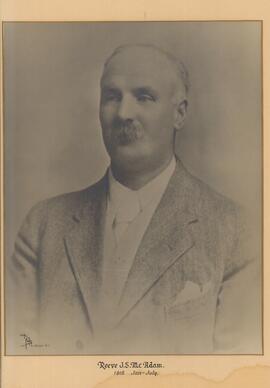
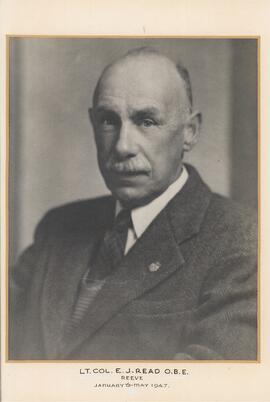
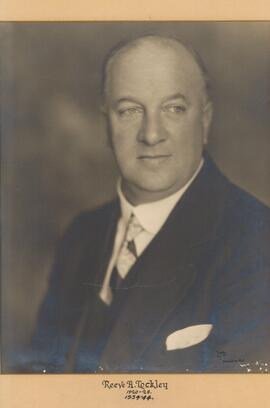
The District of Esquimalt was defined in the letters patent 15 August 1912 and incorporated 1 September 1912 as the Municipality of the Corporation of the Township of Esquimalt.
The geographical area, known as Esquimalt, was home territory for the Songhees Nation and the Esquimalt Nation thousands of years before the arrival of Europeans. Pronounced “Ess-KWY-malt,” meaning “place of gradually shoaling waters,” the name was adopted in the 18th report of the Geographic Board of Canada, 31 March 1924.
Esquimalt Harbour is one of the finest, natural, deepwater harbours on the west coast. First used by the Royal Navy (RN) as early as 1837, who established by Order-in-Council in London in 1865, the ‘Royal Naval Establishment of Esquimalt’ as Pacific Headquarters. In 1905, the Dockyard was turned over to Canada and in 1910 was home to the newly created Naval Services of Canada (renamed Royal Canadian Navy [RCN] in 1911). The area now called Canadian Forces Base Esquimalt, encompasses HMC Dockyard, HMCS Naden established in 1922, the army base, Work Point Barracks, chosen as the site for permanent barracks in 1887 and historic Fort Macaulay where the first earthworks were installed in 1878. During the Second War, Work Point Barracks was the training ground for some 10,000 troops, officers and men and remains a training facility today.
The Village of Esquimalt, nestled between the Naval Dockyard and the Militia property (Signal Hill), surrounded by the district of Esquimalt, grew around the harbour as a busy commercial centre with general stores, hotels, Chinese laundries and machine shops. The Puget Sound Agricultural Company, a subsidiary of the Hudson’s Bay Company, established Viewfield Farm, Constance Cove Farm and Craigflower Farm. By 1912, most of these lands had been subdivided and sold. In 1941, the village was expropriated by the Government of Canada and was known as HMC Dockyard.
Shipbuilding and repair, the major industry, expanded with the construction of the dry dock (opened 1887). Yarrows Ltd. bought the Esquimalt Marine Railway Ltd. in 1913. Opening in January 1914, it became the major employer during World War One. Major expansion took place after the war with the new Federal Panamax dry dock opening in 1927. During World War Two, new ships were built for the RCN and the Canadian Merchant Service. Ship repair remains a major industry today.
A light industrial zone, in the eastern part of the township, was able to take advantage of E&N Railway spur-lines and more businesses located here. Increased business brought more housing, new schools, recreational facilities, shopping plazas and commercial development throughout the 1950s-1970s. About 17,500 residents enjoy these amenities today.
Esquimalt is one of the four core Municipalities in the Capital Regional District. A Mayor and six Councillors serve four-year terms of office. The Township is protected by a dedicated Fire Rescue Service and the joint Victoria-Esquimalt Police Department.
Repository
Archival history
Immediate source of acquisition or transfer
Content and structure area
Scope and content
Appraisal, destruction and scheduling
Accruals
System of arrangement
Conditions of access and use area
Conditions governing access
Conditions governing reproduction
Language of material
Script of material
Language and script notes
Physical characteristics and technical requirements
Finding aids
Allied materials area
Existence and location of originals
Existence and location of copies
Related units of description
Notes area
Alternative identifier(s)
Access points
Subject access points
Place access points
Name access points
Genre access points
Description control area
Rules and/or conventions used
Status
Level of detail
Dates of creation revision deletion
Created - 2022-02-01